Vijayeta × South Korea - Culture, Food and The Arts
This is not a tour built from top-10 lists and reels. It's built by someone who has spent two decades inside Korean cinema, studying it, travelling for it, and thinking in the language of its directors. Vijayeta is a Mumbai-based filmmaker and writer. She doesn't watch films passively. She notices framing, pauses, what characters eat when they're lonely, where they sit when they're in love. Her obsession started twenty years ago with Joint Security Area. Since then she's travelled South Korea not with a checklist, but chasing atmosphere. Walking into neighbourhoods because of a single scene. Ordering dishes because of a moment on screen. This trip is built from that obsession. For people who travel the way they watch good cinema: attentively, slowly, and with feeling.
About the trip
Seoul to Jeonju to Busan. Three cities, three rhythms, one continuous thread of Korean cinema and food culture. Seoul hits first. The rain staircase from Parasite. The pocha bars of Euljiro. Changdeokgung's Secret Garden on a timed entry most visitors never book. Then Jeonju, where bibimbap tastes the way it was meant to, and Makgeolli Alley after dark recalibrates everything before Busan. Busan is the crescendo. The 168 stairs where Decision to Leave was chased into the fog. Dumplings at the actual Oldboy restaurant, still legendary. A farewell dinner that actually lands. Ten included meals. Conversations that go somewhere. Your screening room is the entire country.
Cultural
Active
Trip highlights
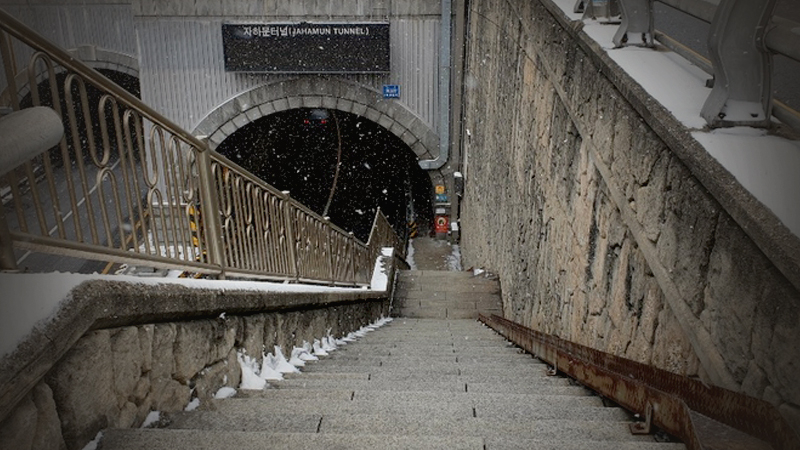
Walk at the Parasite rain scene staircase at Jahamun Tunnel. Yes, it's pinned & confirmed
Day 2
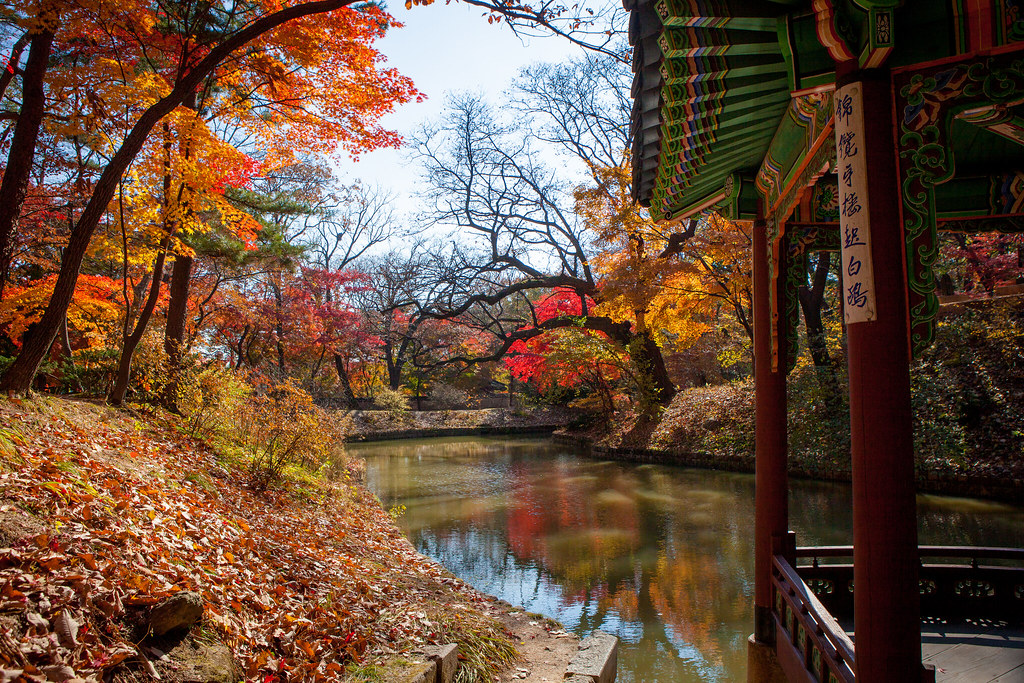
Walk through Changdeokgung Palace's Secret Garden on a timed, limited-entry guided tour
Day 3
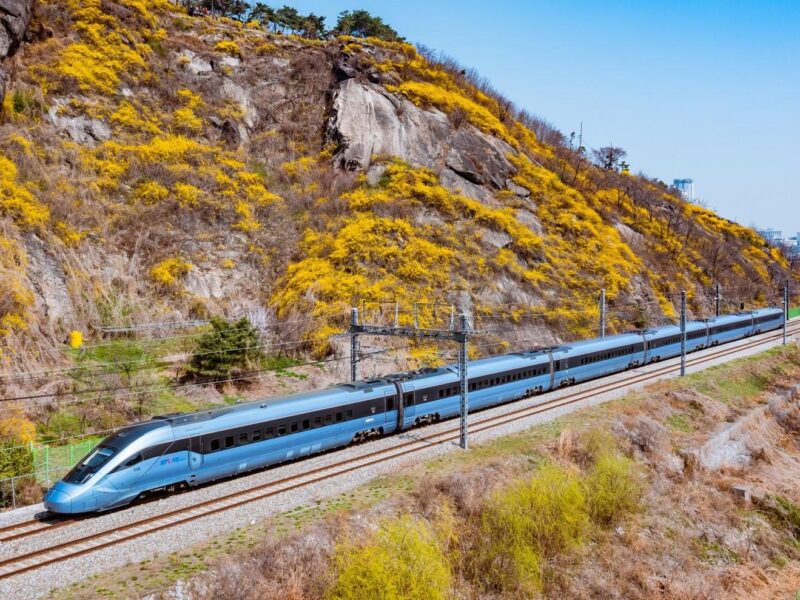
Ride the KTX bullet train from Seoul to Jeonju and watch Korea shift from metropolis to hanok village in under two hours
Day 4
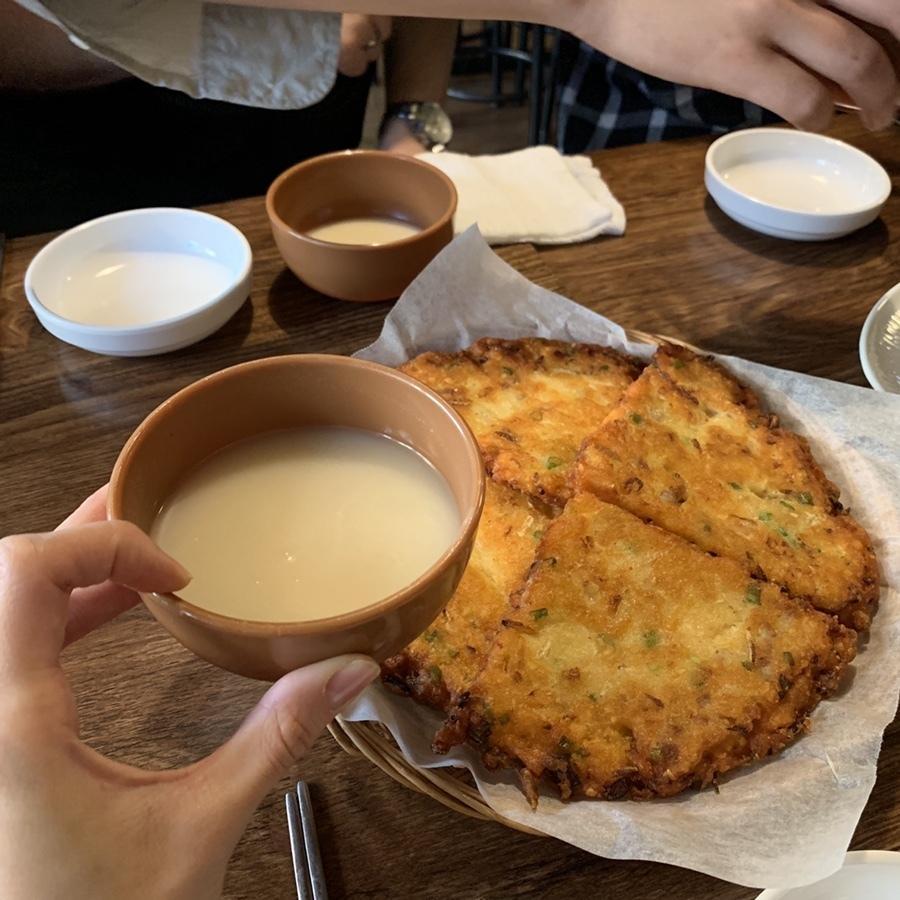
Bar-hop through Makgeolli Alley in Jeonju, tasting Korea's oldest rice wine paired with pajeon
Day 4
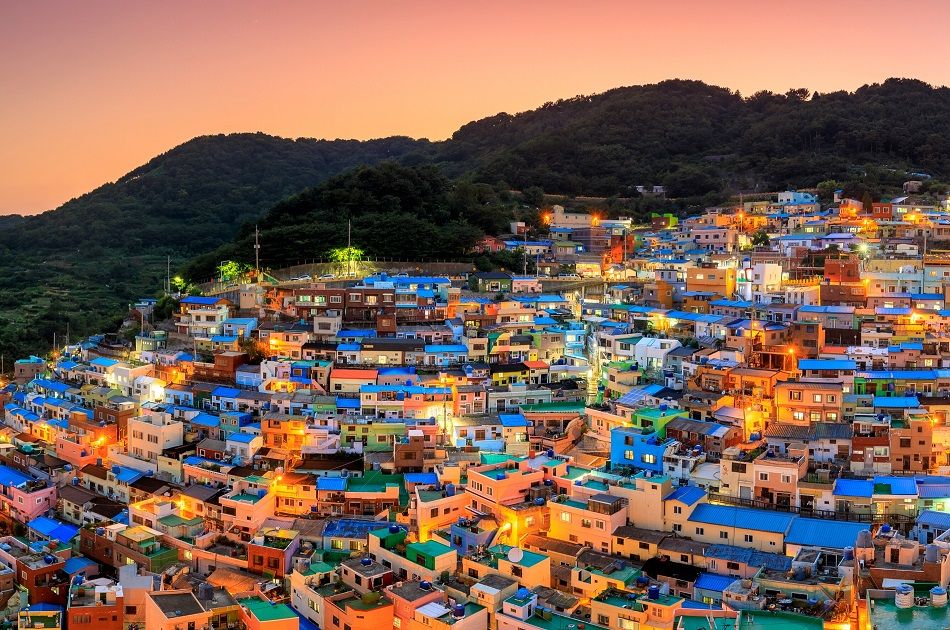
Get lost in Gamcheon Cultural Village - the hillside gallery that looks like someone art-directed an entire neighbourhood
Day 6
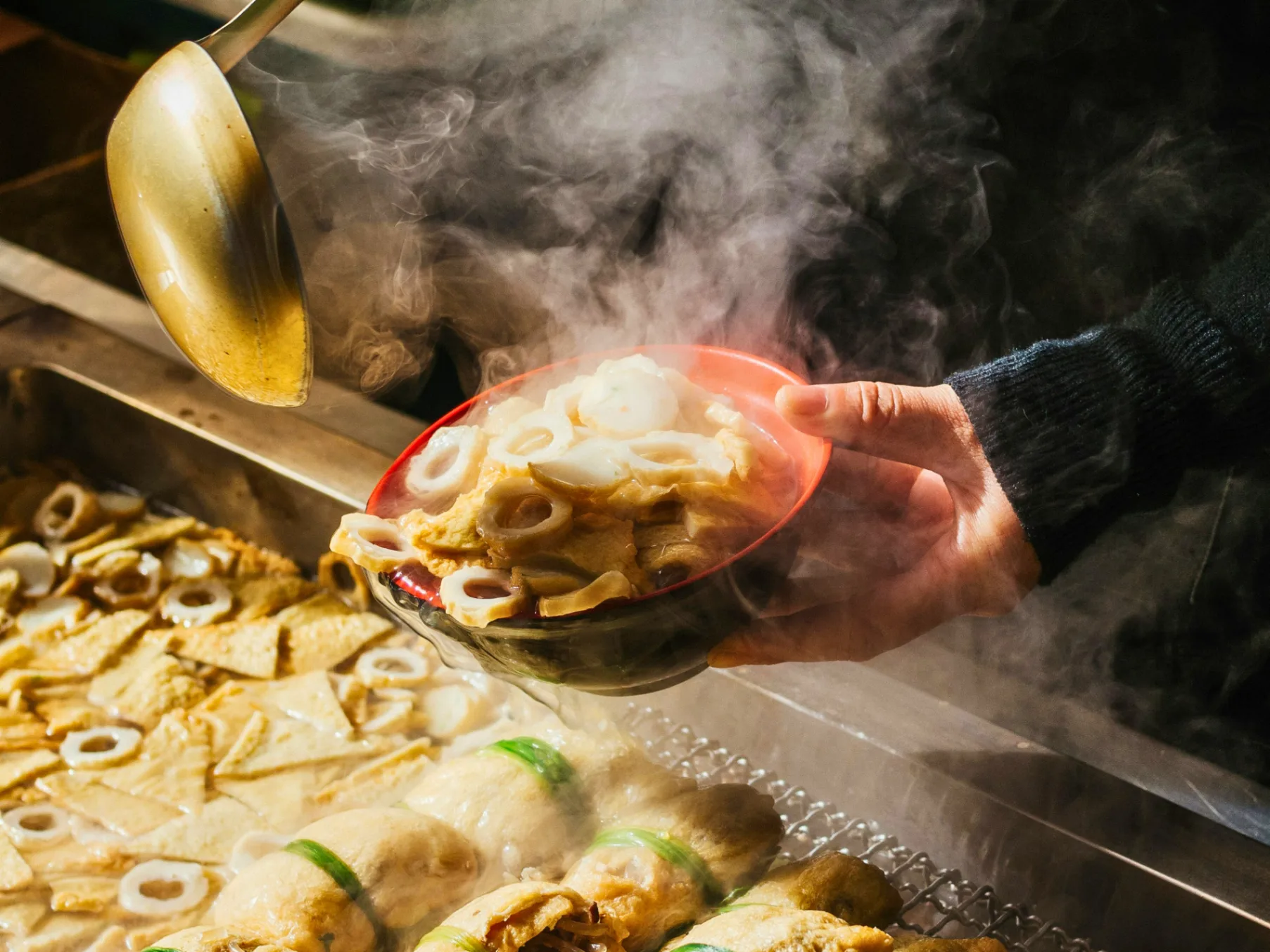
Eat dumplings at the still operating & legendary Oldboy restaurant in Busan Chinatown
Day 7
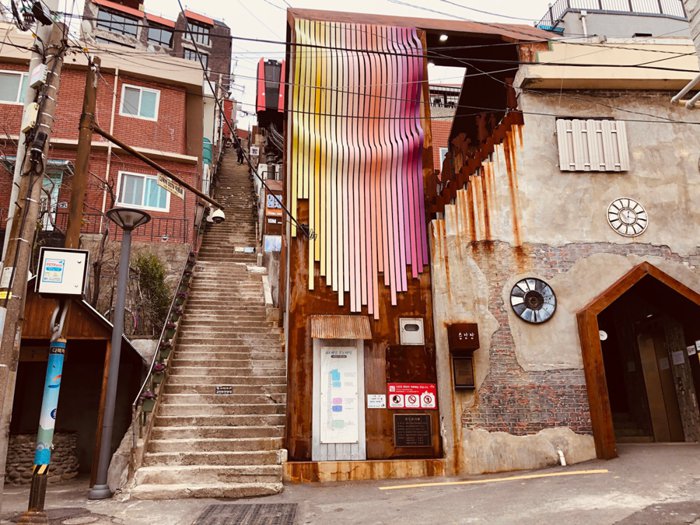
Trace Park Chan-wook's Busan: 168 stairs at Choryang Ibagu-gil, Huinnyeoul's cliff alleys, Dadaepo Beach
Day 8
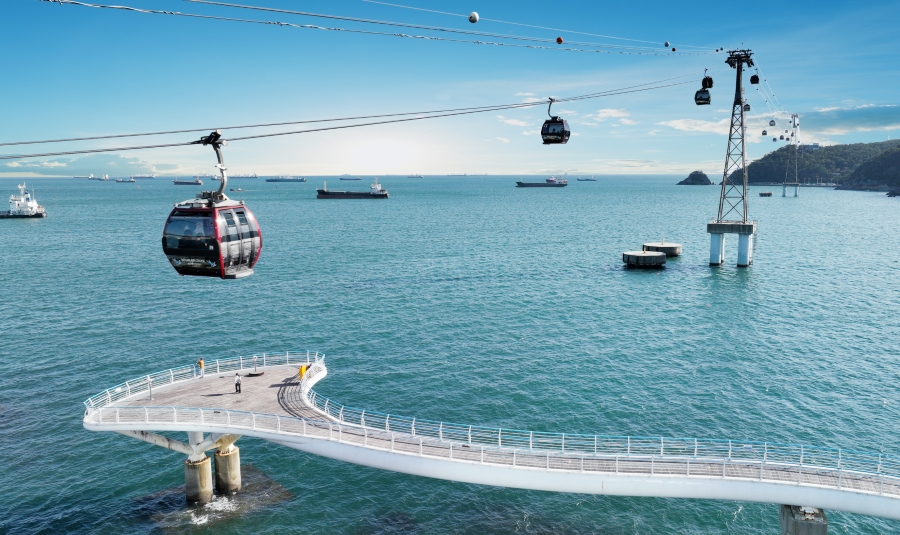
End the trip with a cable car ride over Busan at dusk and a farewell dinner with your Tribe<3
Day 8
Request your Invite, Takes 5
9 Days from
$2,538
≈ ₹2,42,152 today
per person - taxes extra
Edition price is anchored in USD. INR amounts are current estimates until paid.
Request an InviteTalk to a CuratorVisa-Heavy edition: Time-sensitive visa, so payments fall earlier, across the T-60 and T-50 deadlines. See the payment plan.
Visa support: Checklist, forms and appointment help.
15% hold: Hold your invite now. Balance later.
Curated room: Max 16 travellers. Profiles before payment.
People you'll meet
A journalist chasing her next story, a private equity associate ready to expand her world, someone mid career break just because it finally feels right.

What's included
All 8 experiences in itinerary
3 nights at Hotel Skypark Dongdaemun I — Seoul + 2 nights at Sarangnamoo Hanok Jeonju + 3 nights at Stanford Hotel Busan
KTX Seoul–Jeonju, Express bus Jeonju–Busan
19 meals · 8 breakfasts, 4 lunches, 7 hosted dinners
8 nights accommodation
All intercity transport: KTX Seoul–Jeonju, express bus Jeonju–Busan
All activity entries and experience fees as listed
Your visa, handled
ExCo's concierge runs the South Korea visa application for you.
Your Gameplan
Let Seoul Sink In
- You've just landed in a country that makes more films per capita than almost anywhere on earth, and the first thing you'll notice isn't the neon, it's how quiet Incheon airport is. Collect your bags, clear immigration, and make your way into central Seoul by AREX train or cab.
- The rest of the afternoon is deliberately yours. Immigration and the ride in can take a couple of hours, so check in, shower off the flight, and if there's daylight left, wander Dongdaemun on your own terms. Nothing is scheduled, and that's the point.
- Evening is where the trip really starts. Welcome dinner with the group, followed by icebreakers and a guided conversation circle, the ExCo format that turns strangers into a crew by the end of Night 1.
Walking Through the Frame
- Today is a walk through the city that Bong Joon-ho, Park Chan-wook, and Hong Sang-soo have been filming for decades. You'll start the morning with a guided film location walking tour — standing at the Jahamun Tunnel staircase where the rain scene from Parasite was shot. Confirmed. Pinned. The real thing.
- From there, the afternoon unfolds across Seoul's historical and creative spine: Gwanghwamun Square, the Deoksugung Stone Wall path, Cheonggyecheon Stream, the retro chaos of Sewoon Arcade, and ending at the Zaha Hadid-designed Dongdaemun Design Plaza. These locations appear across dozens of films and dramas — you'll start recognizing frames you've seen before.
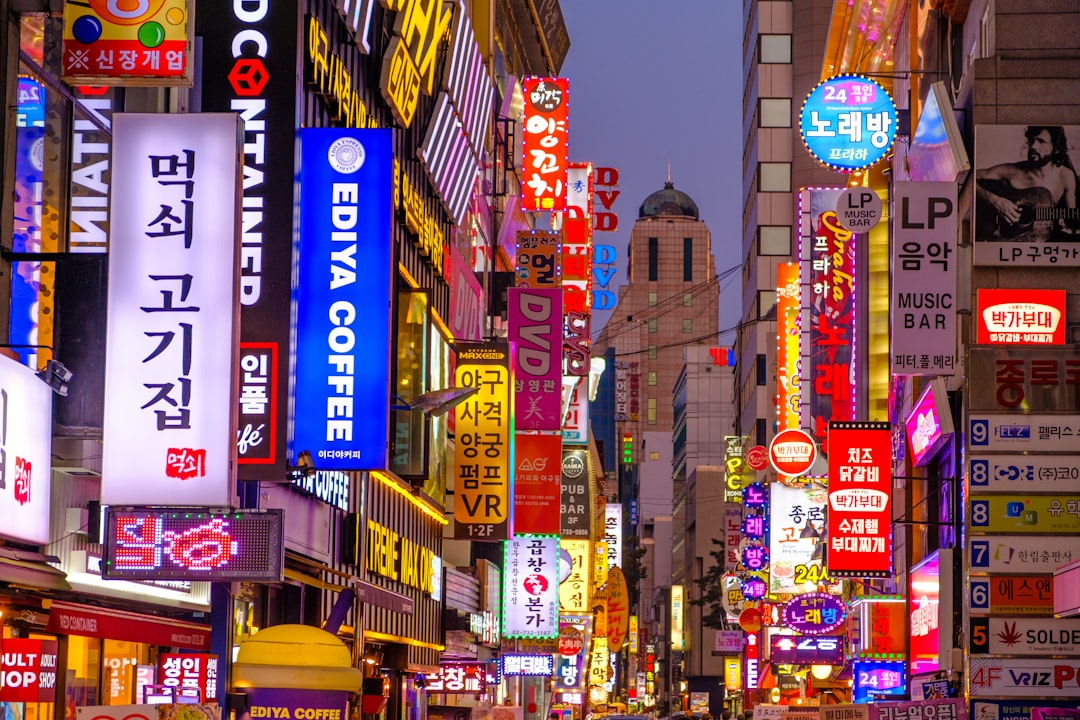
- Evening drops you into Euljiro and Jongno — pocha bar territory. This is Hong Sang-soo's Seoul: tiny tented bars, soju by the bottle, conversations that spiral into something real. The city unfolds like a script between these two points.
The Garden Behind the Gate
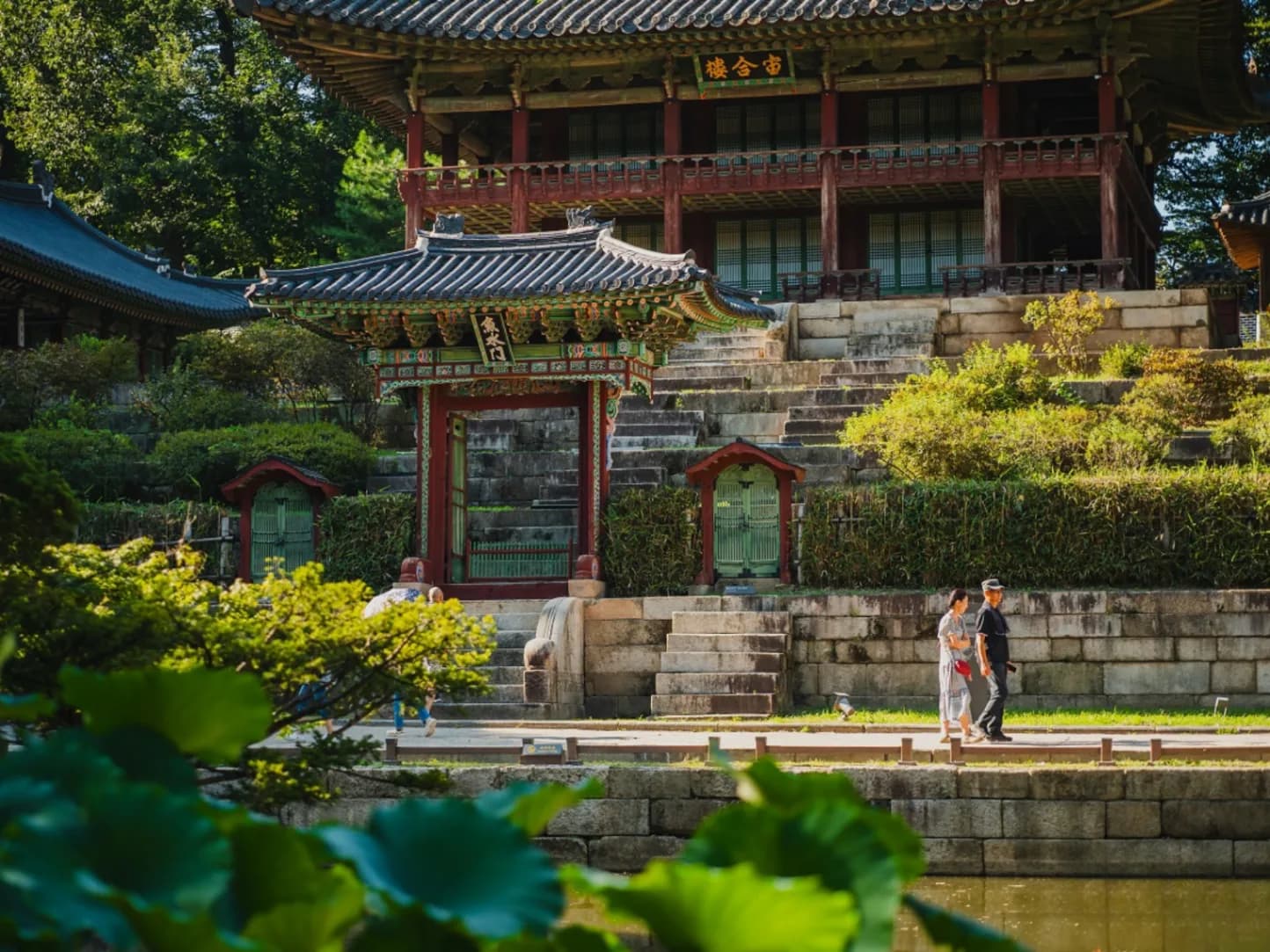
- A slower Seoul day. The morning belongs to Changdeokgung Palace and its Secret Garden — a Joseon-era royal retreat that most tourists miss because it requires advance booking and timed entry. You walk in and forget you're in a city of ten million. Ancient trees, hidden pavilions, a pond that reflects the sky back at you like a mirror. This is deliberate, curated — not something you stumble into.
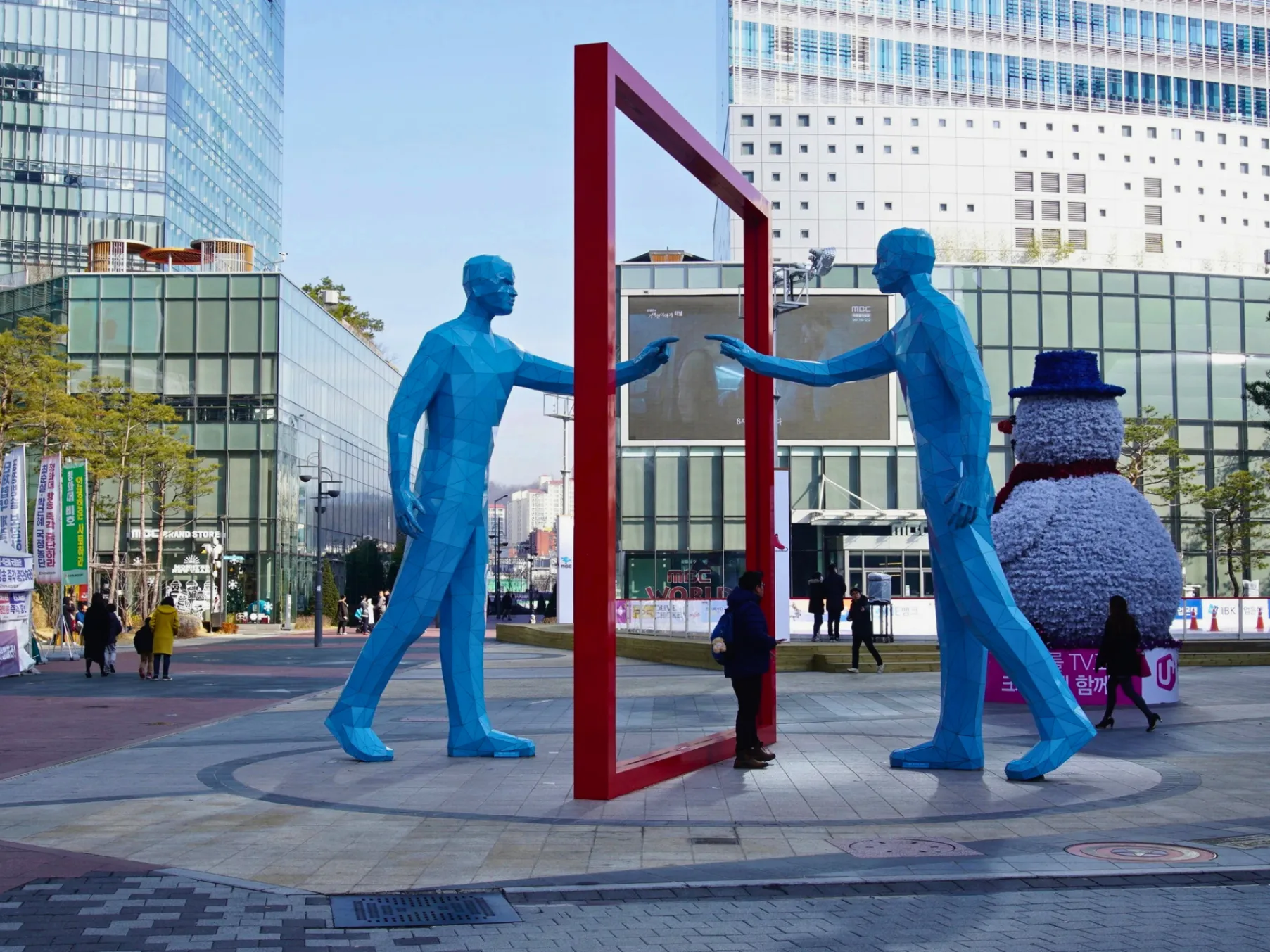
- Midday in Insa-dong for traditional art, tea houses, and craft shops. Then the afternoon heads out to Sangam for the Korean Film Museum and a walk through Digital Media City, the broadcast hub where most K-dramas are produced. It's the kind of place that makes you realise how industrial-scale Korean storytelling actually is.
- Evening is unstructured. Han River park at golden hour is the recommendation — grab convenience store ramen, sit by the water, and let the city do its thing.
Where Korea Slows Down
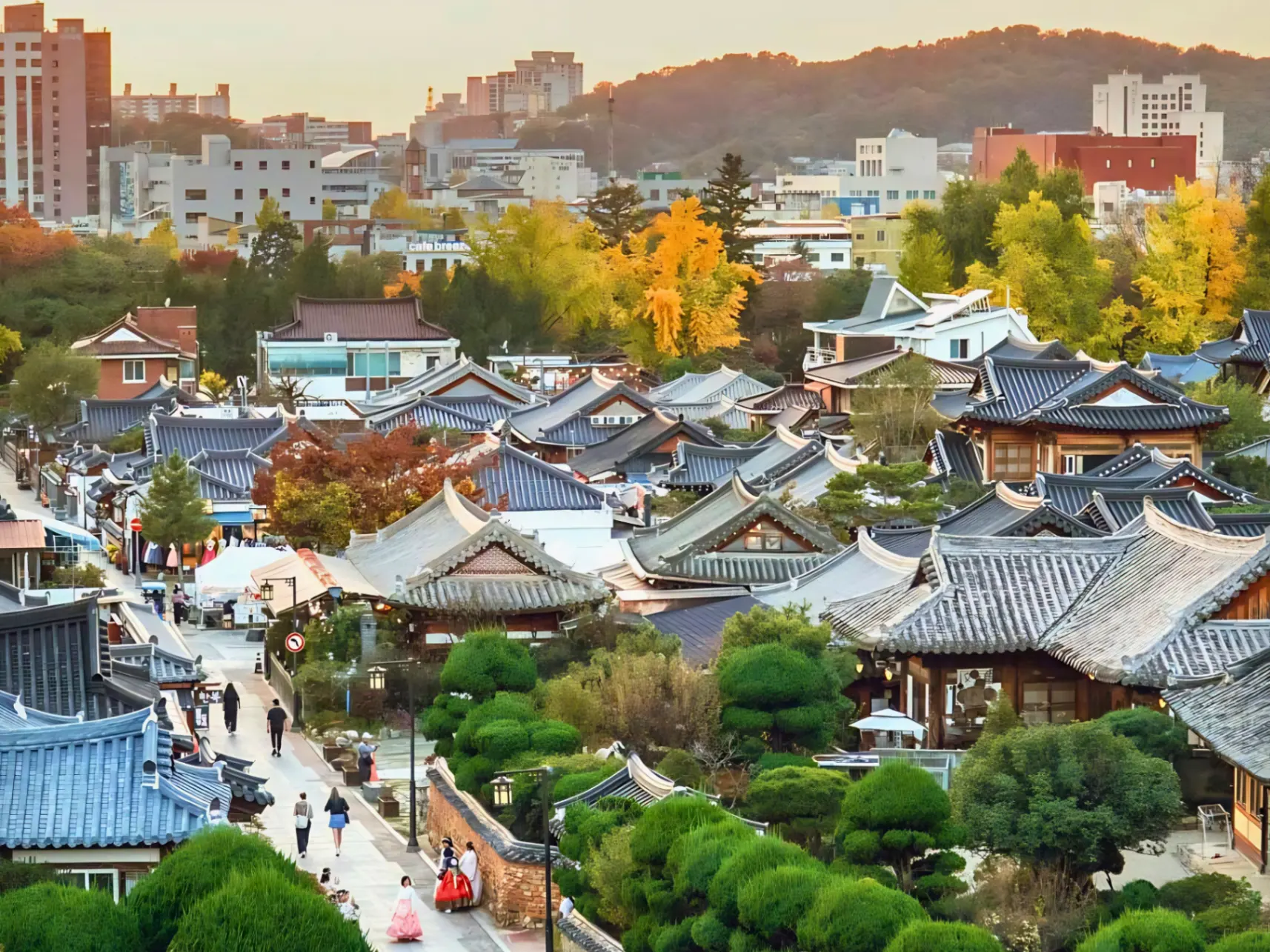
- The KTX from Seoul to Jeonju takes under two hours, and when you step off the train, everything changes. This is where Korea slows down — 800 hanok houses, the birthplace of bibimbap, and the kind of streets where you round a corner and think: this could be a film set. Because it was. Multiple times.
- After checking into the Sarangnamoo Hanok (floor-level sleeping, heated floors, wooden architecture that creaks in the best way), the afternoon starts at Omokdae Pavilion for the panoramic view, then descends into Jeonju Hanok Village — filming location for Mr. Sunshine and Red Sleeve.
- Lunch at one of the original bibimbap restaurants. This isn't the bibimbap you've had back home — it's a different thing entirely in the city that invented it.
- Evening is Makgeolli Alley. Bar-hopping through a street where every spot serves its own take on Korea's oldest rice wine, paired with pajeon (scallion pancakes) and conversation.
Let the Day Breathe
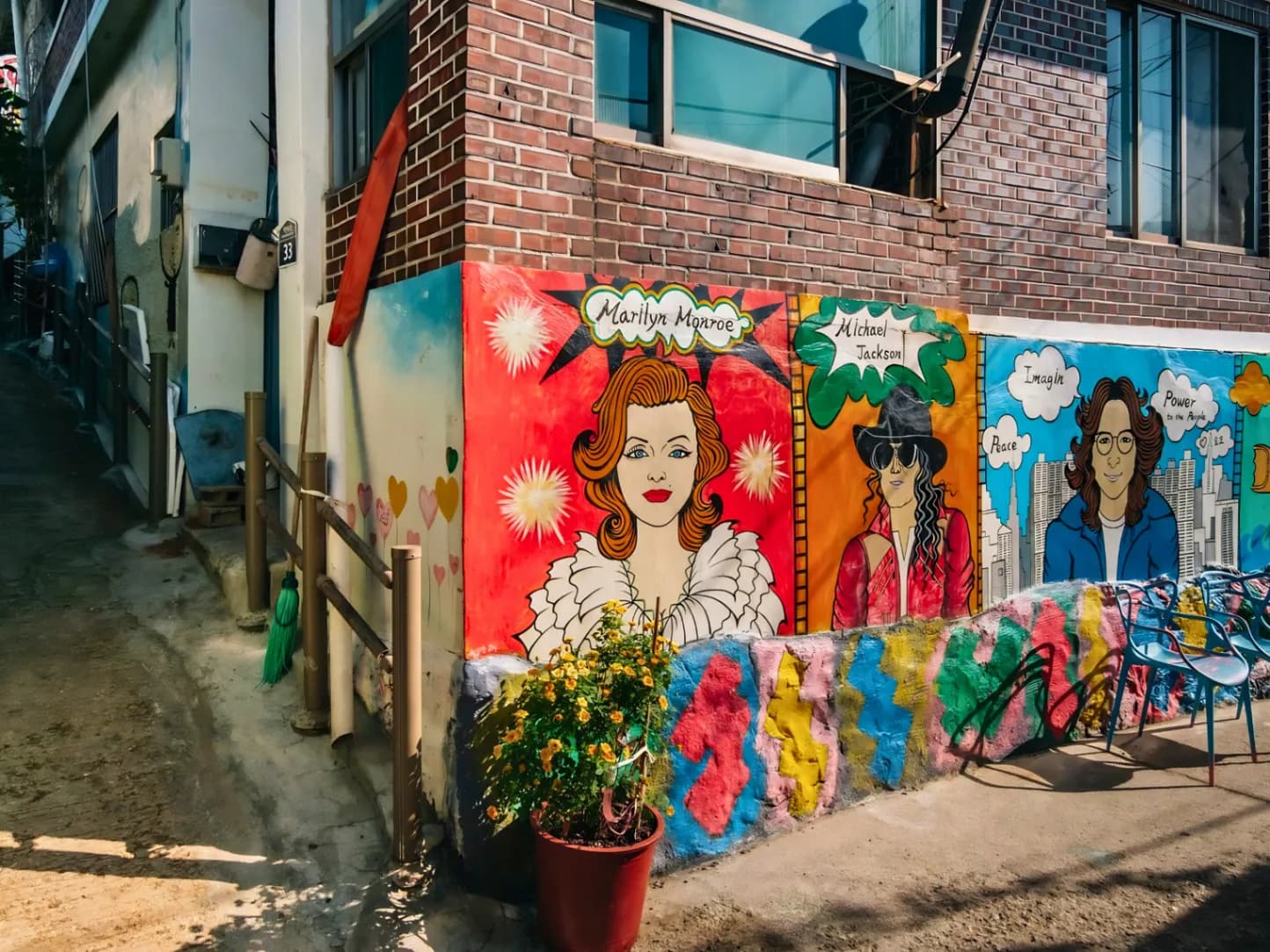
- This is the deliberate pause before Busan. No early alarms, no packed schedule. The morning starts with Jaman Mural Village — a hillside neighbourhood covered in street art that's equal parts charming and quietly political.
- Then Theatre Street — old single-screen cinemas and the Jeonju International Film Festival venue. Jeonju hosted one of Asia's first international film festivals, and you can still feel that energy in the old screening rooms.
- Afternoon along the Jeonjuchun riverside. Sit. Walk. Read. Find a café. Let the day be what it wants to be. This is the kind of day you'll remember more than the packed ones.
Busan Hits Different
- Three hours on a bus from Jeonju to Busan, but you're not rushing to a flight — you're arriving in Korea's film capital with a full afternoon ahead.
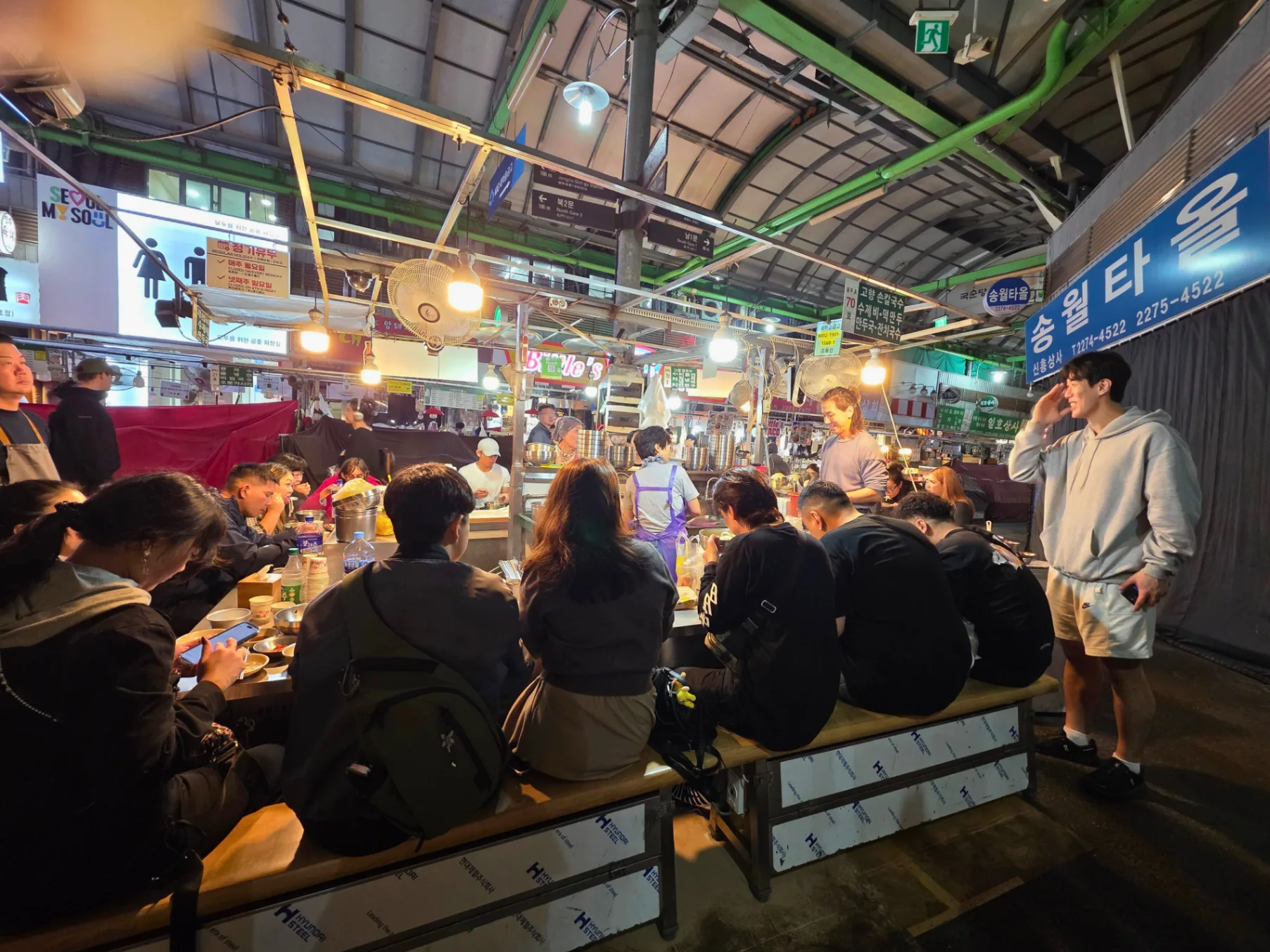
- BIFF Square is where celebrity handprints meet street food stalls — the Busan International Film Festival started here, and it still carries that energy. A guided walk takes you through BIFF Square, Gukje Market (Korea's biggest traditional market), and into the street food and makgeolli/somaek that Busan does better than anywhere.
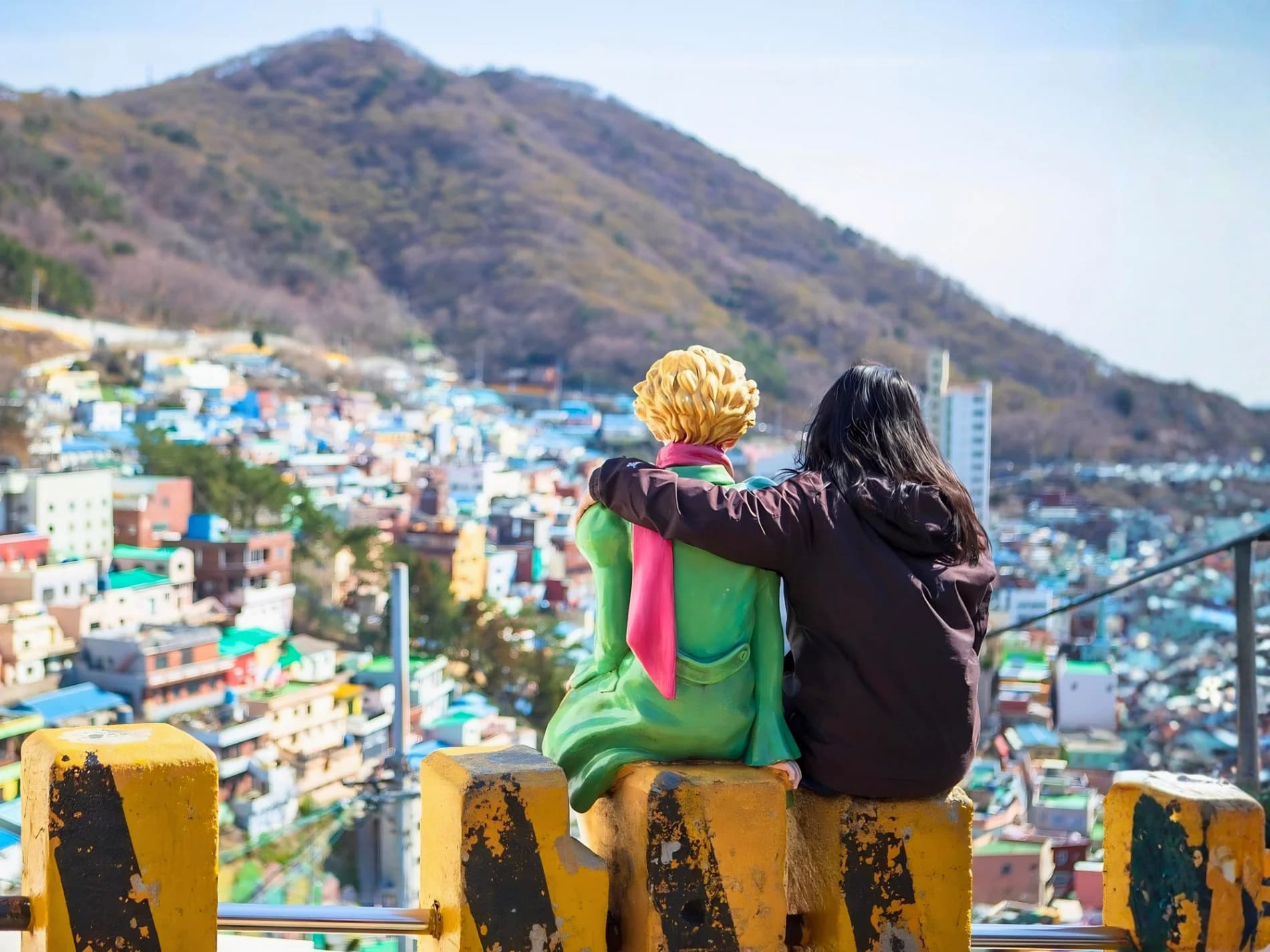
- Gamcheon Cultural Village is the hillside labyrinth that looks like someone art-directed an entire neighbourhood. Because, essentially, they did. Originally built as a refuge for Korean War evacuees, it's now layered with murals, tiny galleries, and narrow alleys that reward getting lost.
The Cliff and the Dumpling
- Huinnyeoul Culture Village is the cliff settlement where The Attorney was filmed — narrow alleys carved into a coastal hillside, ocean views that open up suddenly between buildings, and a feeling that time works differently here. Also a filming location for Broker and Typhoon Family.
- Midday at Arte Museum — Busan's immersive digital art experience. Whether you're into it or sceptical, it's worth seeing.
- Afternoon at Haeundae Beach — the wide, flat stretch you've seen in a dozen Korean films. Walk it, sit on it, let the coast settle into your body.
- Then the meal you'll talk about long after the trip: dinner at Jangseonghyang (or Hwaguk Banjeom) — the dumpling restaurant from Oldboy, in Busan's Chinatown. Still operating. Still legendary.
The Scene After the Credits
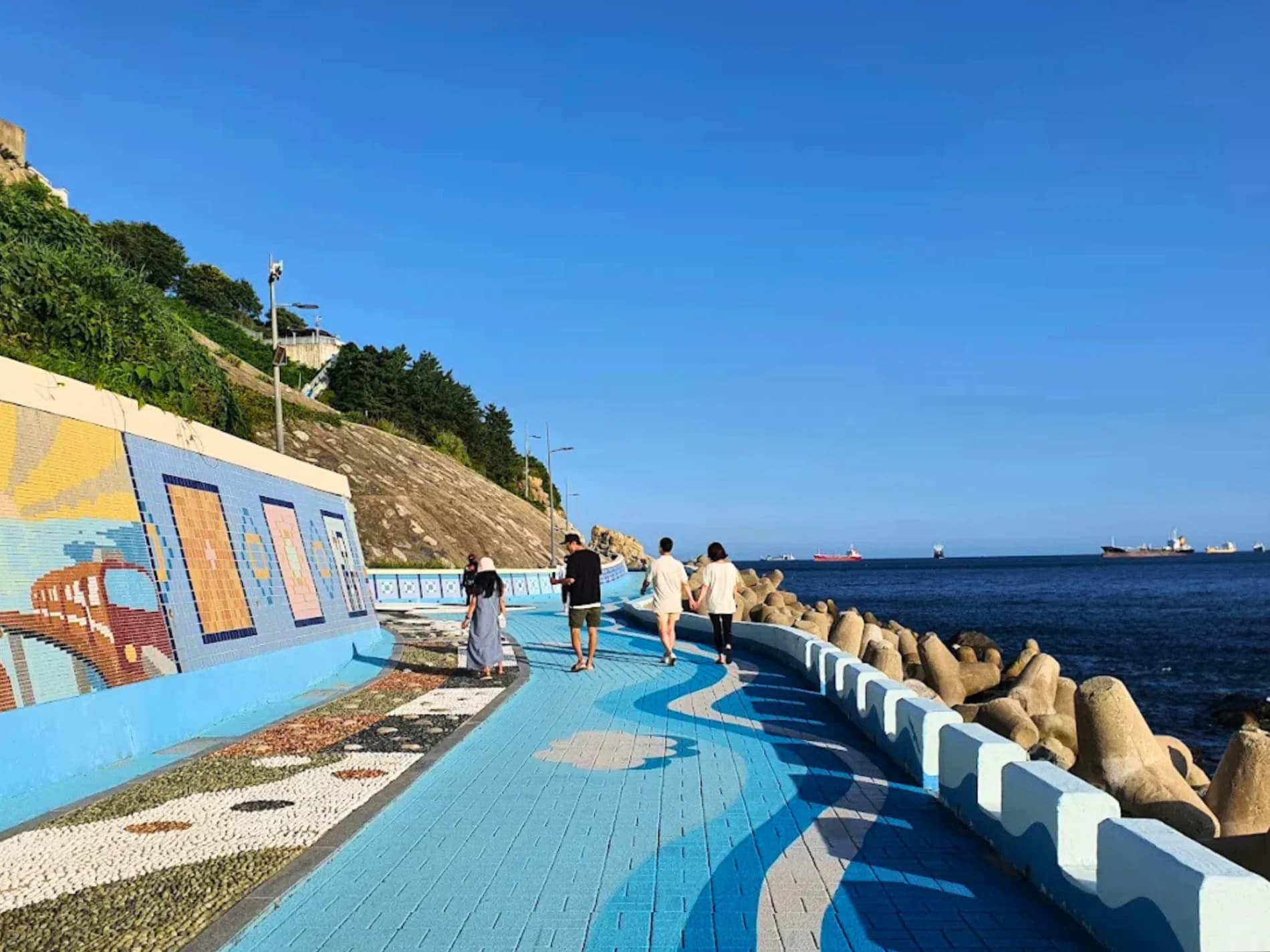
- The last full day. Morning starts in Chinatown and Choryang Ibagu-gil — the mountainside neighbourhood where Decision to Leave was chased through. 168 stairs, narrow alleys, every wall a history lesson. This is Park Chan-wook's Busan, and it earns its sweat.
- Dadaepo Beach — the stretch that appeared in Broker. Quieter than Haeundae, wider, with a different kind of beauty.
- Busan Cinema Center — where BIFF screens its premieres. Even outside festival season, the architecture alone makes the stop worthwhile.
- Jeonpo Cafe Street for Broker café vibes — the street itself is the experience, no specific café needed.
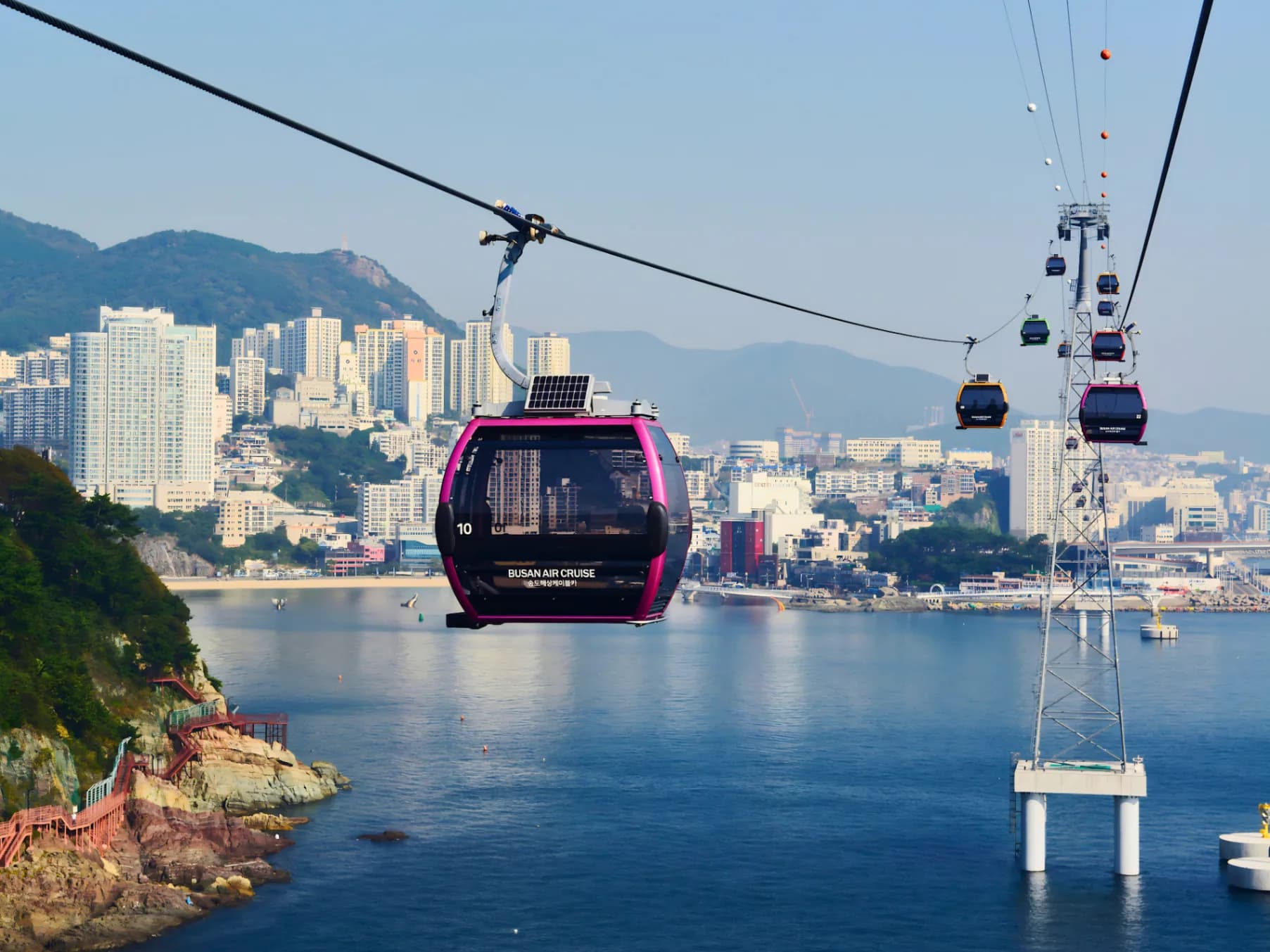
- Evening cable car ride — the Air Cruise gives you Busan from above, and it's a different city from up there.
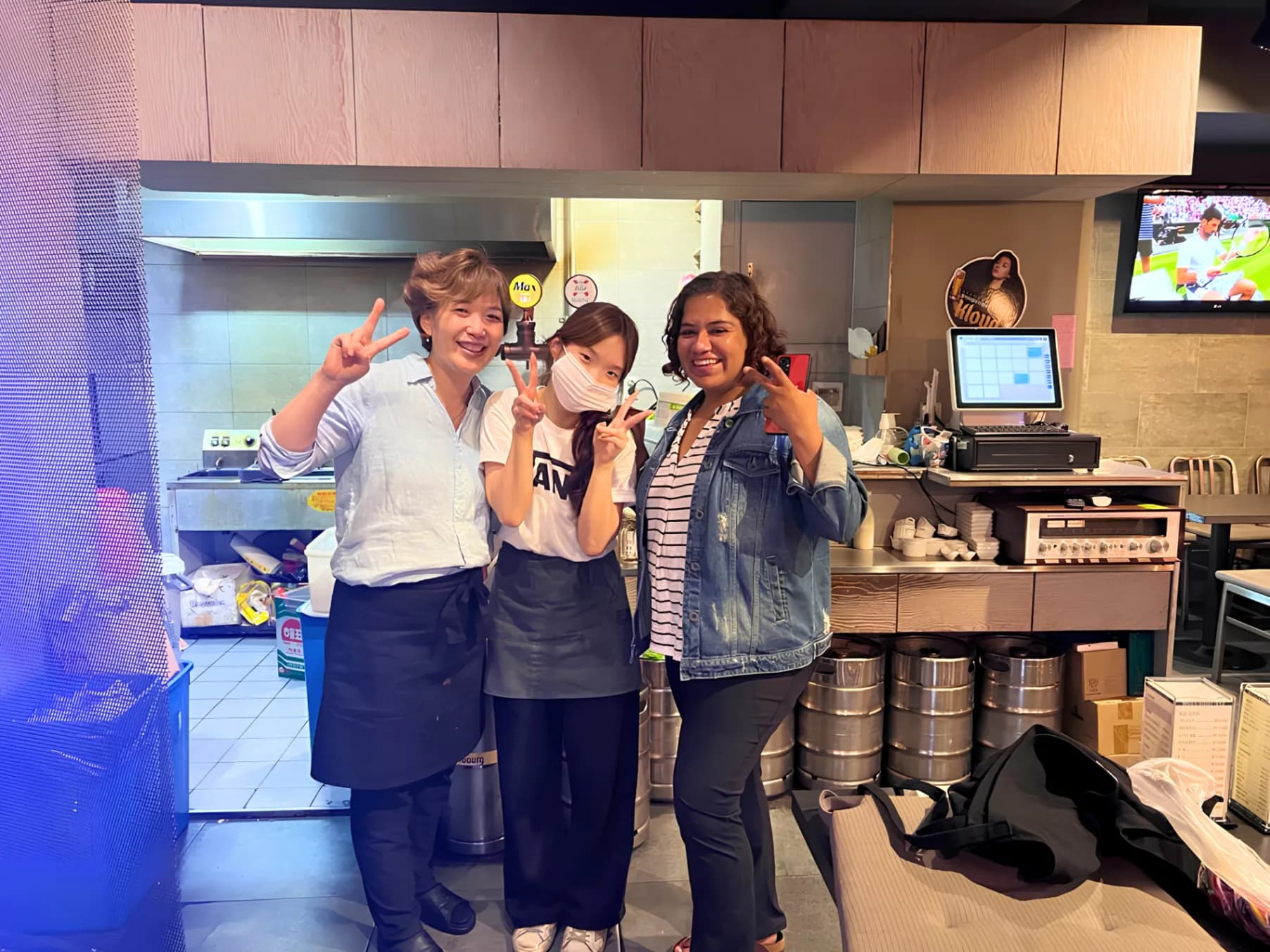
- Then the farewell dinner and closing reflection circle. Not forced sentimentality — an honest space to land what the week meant before everyone scatters.
Roll Credits
- Pack up. One last breakfast. Depending on your flight, you're either taking the KTX back to Incheon (2.5 hours, book flights after 4–5 PM) or heading straight to Gimhae airport (30–40 minutes from city centre, fewer direct India routes but infinitely more relaxed).
- Either way, there's buffer built in. No rushing. If you have a late Incheon flight, there's time for one last coffee in Seomyeon or a final walk along Haeundae before heading to the station.
Our Favourite Stays
We work with these or similar hotels to ensure a stylish and comfortable stay every time.
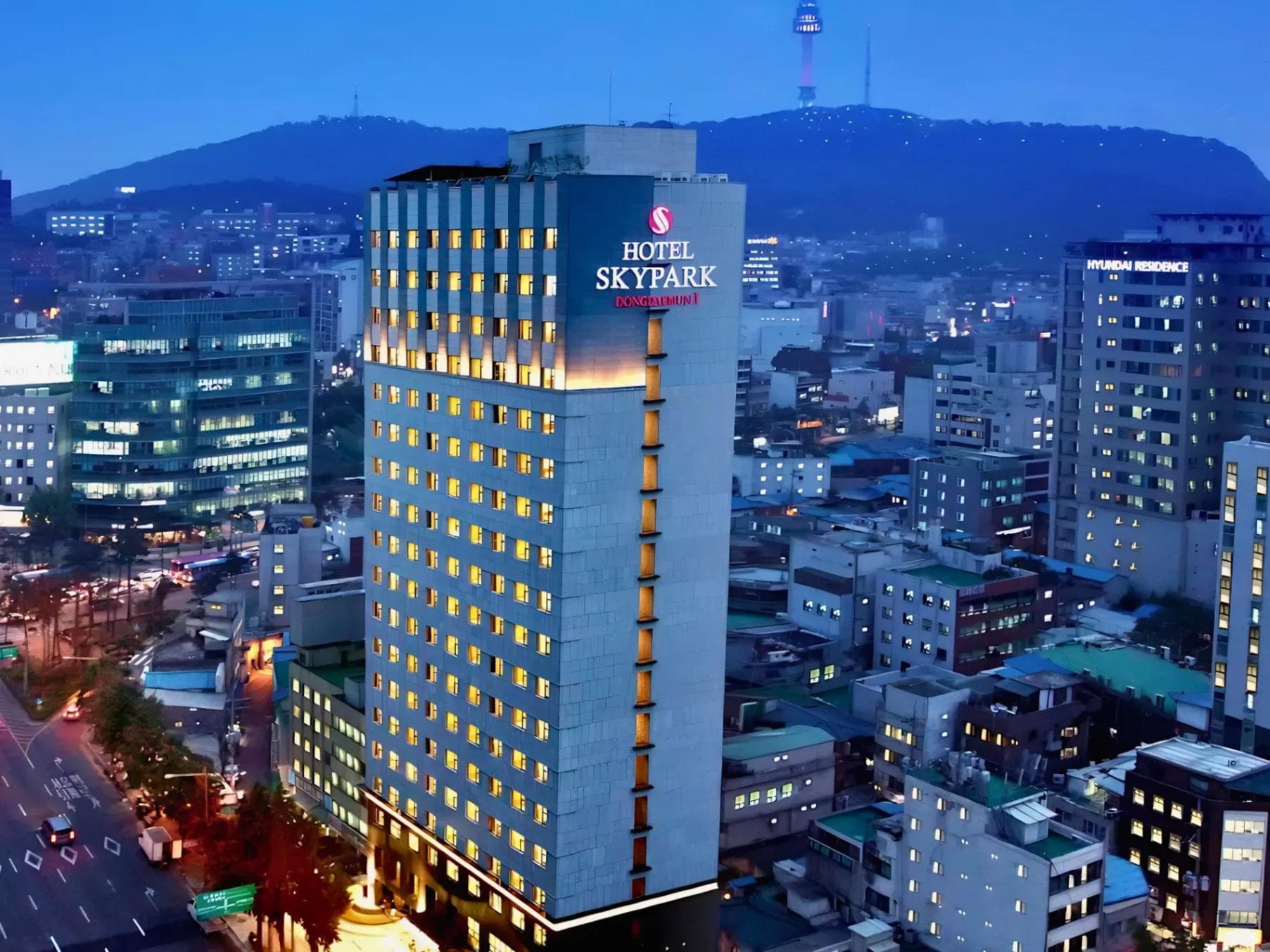
Hotel Skypark Dongdaemun I — Seoul
Central Seoul, no apologies. Hotel Skypark Dongdaemun I sits in the Jung-gu district, right next to Dongdaemun Design Plaza and a two-minute walk from the metro — Lines 1, 2, 4, and 5 are all within reach, which means every location on the itinerary is a short ride away. The rooms are clean, modern, and compact the way Korean hotels tend to be — flat-screen TV, air conditioning, fridge, bathtub, and all the essentials. Breakfast buffet is included. Street food stalls and convenience stores are literally at your doorstep, and the airport limousine bus stops right outside the building. The neighbourhood is loud, commercial, and never fully asleep — this is Dongdaemun, not a quiet alley — but if you want a base that puts you in the centre of everything and lets you walk out the door into the pulse of Seoul, this is it. Four-star comfort without pretending to be something it's not.
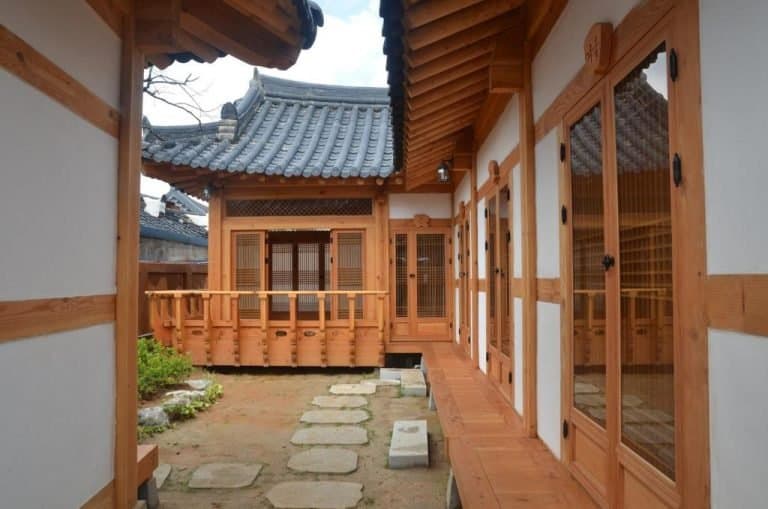
Sarangnamoo Hanok Jeonju
This is the stay you'll remember. Sarangnamoo is a traditional Korean hanok guesthouse tucked inside Jeonju Hanok Village — 800 traditional houses, and yours is one of them. Expect wooden architecture that creaks in the best way, a courtyard garden, ondol heated floors, and sleeping on futon mats at floor level. It's not a hotel — it's someone's beautifully maintained traditional home that they've opened to guests. The owner speaks English, prepares a simple breakfast, and will point you toward the best bibimbap in town. You're a four-minute walk from the heart of Hanok Village, five minutes from Jeondong Catholic Church, and ten minutes from Makgeolli Alley on foot. Rooms have private bathrooms, flat-screen TVs, free Wi-Fi, and air conditioning — so the comfort is there, even if the vibe is 14th-century Joseon. Fair warning: floor-level sleeping isn't for everyone. If you have knee or back issues, flag it early. But if you're up for it, waking up inside a hanok with morning light filtering through paper-screen doors is the kind of experience that stays with you long after the trip.
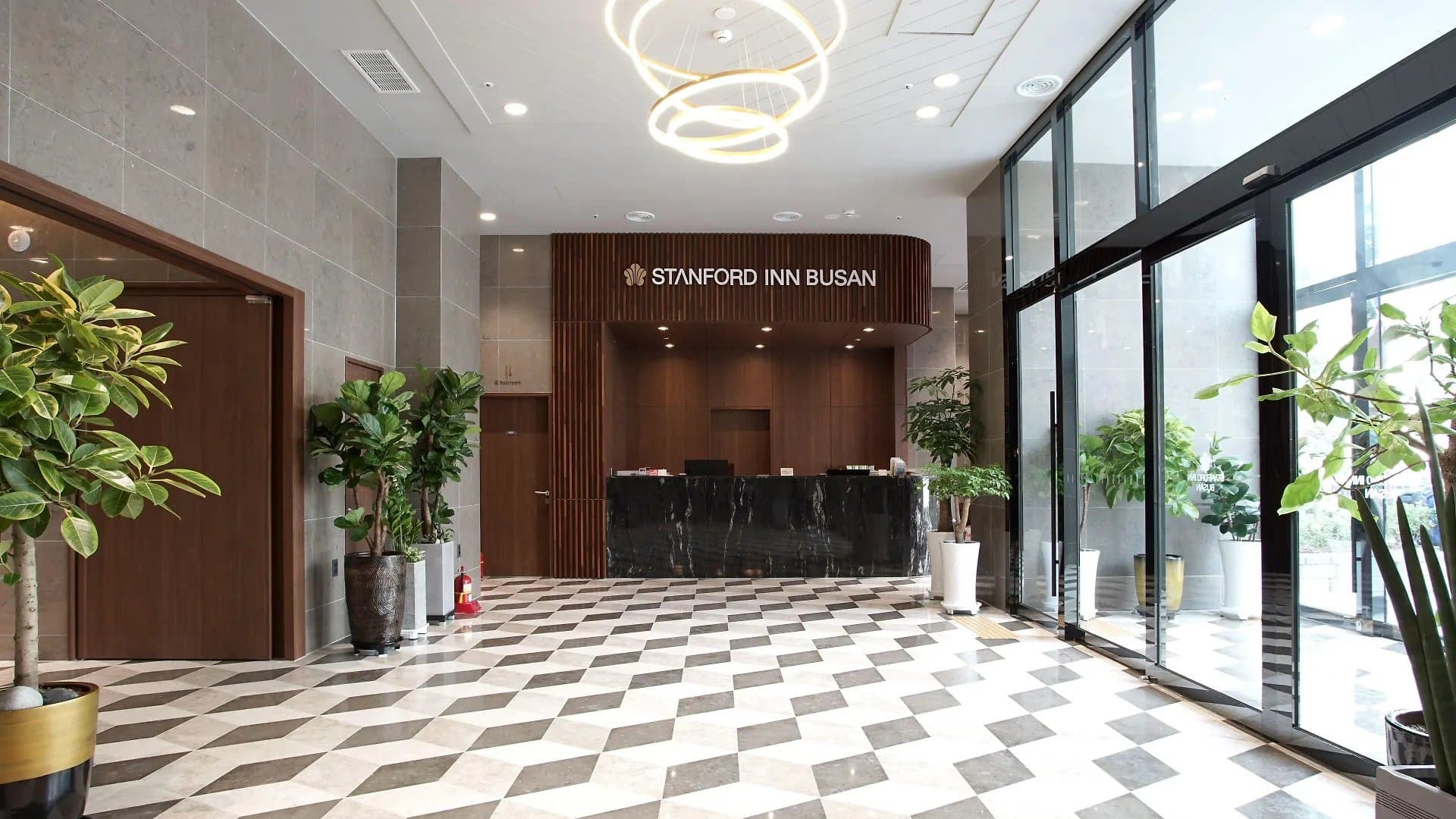
Stanford Hotel Busan
Stanford Hotel is your Busan base — clean, well-located, and no-nonsense. It sits in the Nampo-dong area, steps from Jagalchi metro station, directly across from BIFF Square, and within walking distance of Gukje Market, Jagalchi Fish Market, and the Nampodong shopping strip. The airport limousine bus from Gimhae stops right outside. Rooms are Korean-compact but well-appointed: flat-screen TV, fridge, safe, air conditioning, bathtubs in every room, and city or harbour views depending on your floor. Harbour-view rooms overlook Busan Bridge and the port — gorgeous at night. Breakfast buffet at Cafe Stanford. The 24-hour front desk handles luggage storage, currency exchange, and generally keeps things running smoothly. Busan KTX station is just three metro stops away on Line 1. This isn't a luxury hotel — it's a smart, comfortable 3-star in the exact right part of Busan where food, film locations, and the ocean are all within arm's reach. Exactly where you want to be.
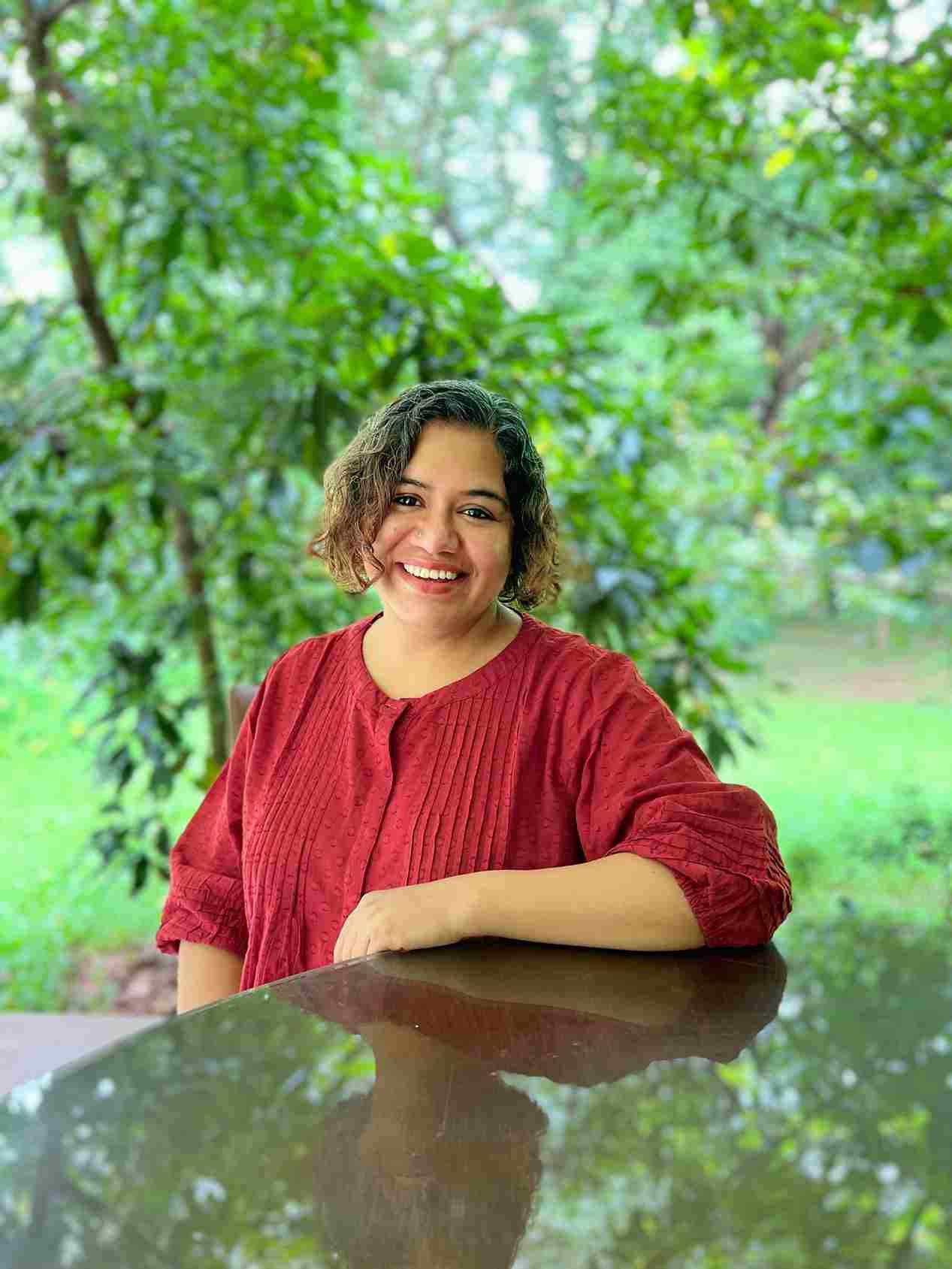
Vijayeta Kumar
For those who may not know me well — a little context on why I’m even building this. I’m a filmmaker by profession, but at heart I’m someone who lives inside stories. I don’t watch cinema passively - I study it. I notice framing, pauses, what characters eat when they’re lonely, where they sit when they’re in love. Korean films and K-dramas, especially, have deeply shaped how I think about storytelling - their restraint, emotional precision, and reverence for everyday detail. It’s a fascination that started two decades ago when I first watched Joint Security Area by Park Chan Wook. This trip comes from that obsession. I’ve travelled through South Korea before, not as a checklist tourist, but chasing atmosphere. Walking into neighbourhoods because of a single scene. Ordering dishes because of a moment on screen. I know how overwhelming the country can be if rushed, and how extraordinary it feels when experienced slowly and intentionally. So this isn’t a generic itinerary. It’s editorial. It’s curated with taste. It’s built on context. My intention is simple: to experience Korea the way we experience good cinema. Attentively, emotionally, without sprinting to the next frame. The output I’m seeking? Shared memory. Conversations over soju that last longer than planned. What I’m hoping for? Shared memories with a small group of like-minded people. Conversations over soju that last longer than planned. A small group that connects over films, food, and cultural nuance. And becomes a beautifully documented journey that becomes something more than just a holiday. What I’m most looking forward to? That first night walk in Seoul. A makgeolli table in Jeonju that refuses to end. Watching someone taste something they’ve only seen on screen and seeing that quiet moment of connection land. This isn’t mass travel. It’s personal. And if it happens, it will be done properly.
Have questions?
Our curation team knows every detail of this trip. We'll help you figure out if it's the right fit for your vibe and experience level.
Usually respond within 2 hours
You might also like